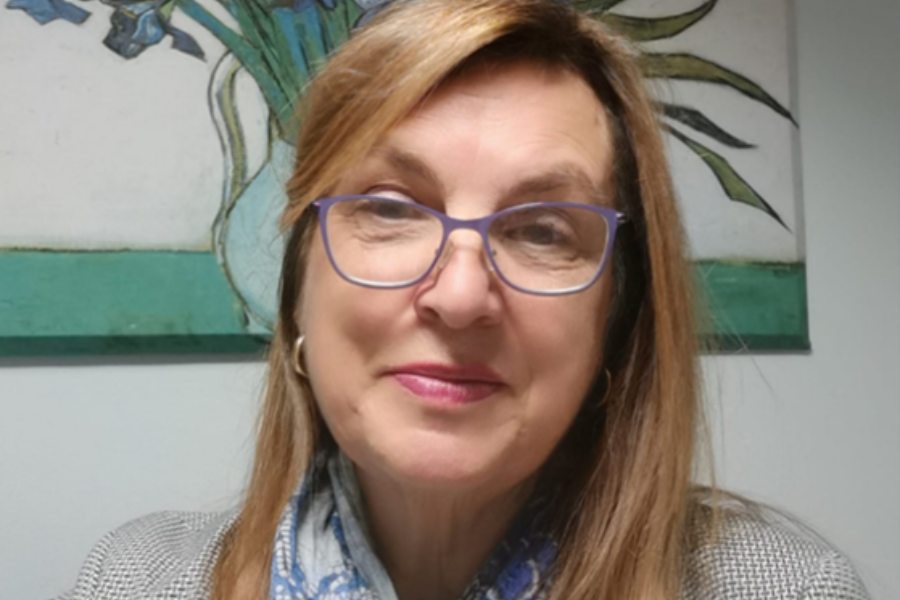
Prof. Dr. Anna Rita Bilia is full professor of pharmaceutical technology at the University of Florence. She is former Director of the Post-graduate School of Hospital Pharmacy.
In 1995 she got the national award « Claudio Redaelli » for outstanding young researchers in the field of phytochemistry and in 2002 she got the international « Egon Stahl Medal » for researchers younger than 40 years working in natural products. In 2018 she got the Qihuang International Prize from the China Association of Chinese Medicine for her outstanding achievements in the field of analysis and innovative formulations of extracts and natural products from Chinese medicine. In 2026 she got the international “ABC Norman R. Farnsworth Excellence in Botanical Research Award” for pioneering work and extraordinary contributions to the knowledge of the bioactives, composition, formulation, stability and analysis of medicinal plants and plant extracts.
She is leading the group of natural products analysis and pharmaceutical technology at the Department of Chemistry. She is the president of Interdepartmental Center of Services for Biotechnologies of Agrarian, Chemical, Industrial interest (CIBIACI) of University of Florence.
She is expert of the European Pharmacopoeia and member of the TCM group. She is former president, vice president and board member of the International Society for Medicinal Plant and Natural Product Research (GA). She is the Italian delegate of the board of directors, member of the scientific committee and vice chair of the European Scientific Cooperation on Phytotherapy (ESCOP). She is board member and former president of the Italian Society of Phytochemistry and Sciences of Plants for Medicinal, Food and Cosmetic use (SIF).
Prof. Bilia’s list of publications shows more than 280 papers in the most reputed international journals of her field of research, she is authors of numerous invited book monographs and chapters.
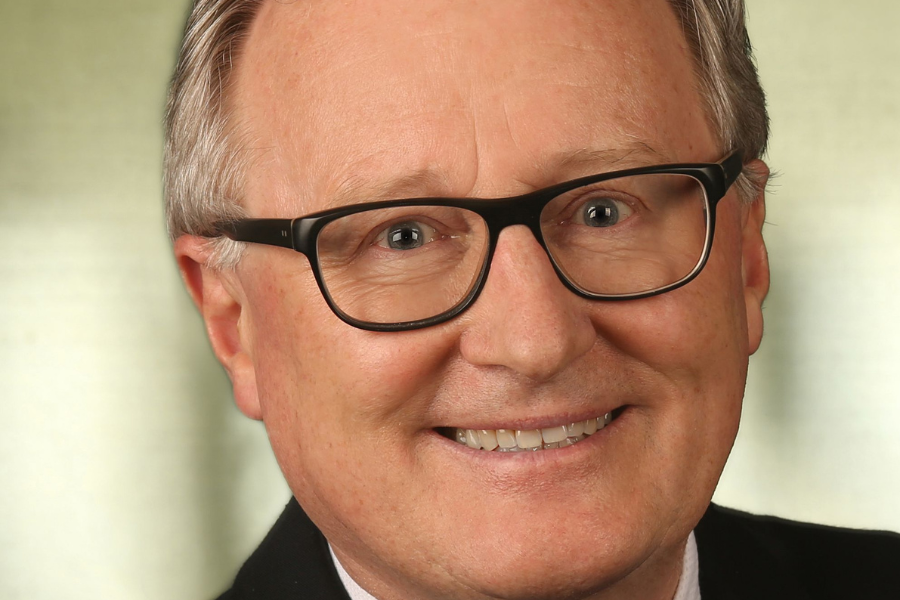
Rudolf Bauer studied pharmacy and received his PhD at University of Munich, Germany; in 1993, he became Associate Professor at University of Düsseldorf, Germany; in 2002, he was appointed full professor of pharmacognosy at University of Graz, Austria. He acted as Head of the Institute of Pharmaceutical Sciences from 2004–2020. Since, October 2024, he is Professor emeritus at University of Graz.
His research focused on phytochemical and pharmacological investigations of traditionally used medicinal herbs, quality control, identification of active constituents, plant metabolomics, and interactions with gut microbiota.
He acted as president of the Society for Medicinal Plant and Natural Product Research (GA) from 2002-2007, of the International Society of Ethnopharmacology from 2015-2017, and as founding president of The GP-TCM Research Association from 2012-2014.
He has published more than 420 research papers (h-index 83) and has edited several books. He is currently chairman of the expert group 13A of the European Pharmacopoeia Commission.
He received several awards, like the Egon-Stahl-Award of GA, the Outstanding International Scientist Award (Pranab Banerji Memorial Award) of the Society for Ethnopharmacology India (SFE), the Varro Tyler Prize of the American Society of Pharmacognosy, the Qihuang International Prize of China Association of Chinese Medicine, and the Government Friendship Award of the Peoples Republic of China. He received honorary doctorates of the universities of Helsinki/Finland and Szeged/Hungary.
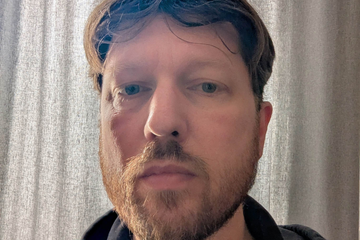
Jonathan Bisson, Ph.D., is a researcher and software engineer working at the intersection of natural products science and modern informatics. He led the redesign of NAPRALERT, one of the world’s most comprehensive natural products databases, and co-created LOTUS, the largest public-domain collaborative natural products resource on Wikidata. Before joining Collaborative Drug Discovery in 2021, he served as a Research Assistant Professor at the University of Illinois at Chicago, where he led NIH-funded efforts in antibiotic discovery and built custom tools for mining biomedical literature, managing high-throughput instrumentation, and advancing natural product research. At CDD, he contributes to infrastructure automation, cheminformatics tooling, and the integration of AI and large language model technologies into the Vault platform. He holds a Ph.D. in Interface Chemistry-Biology from the Université de Bordeaux and has spent over a decade working across computational chemistry, pharmacognosy, software development, open data, ontology design, and full-stack systems for research informatics. Throughout his career, his work has been driven by a commitment to making natural products knowledge more findable, usable, and impactful for the broader scientific community.
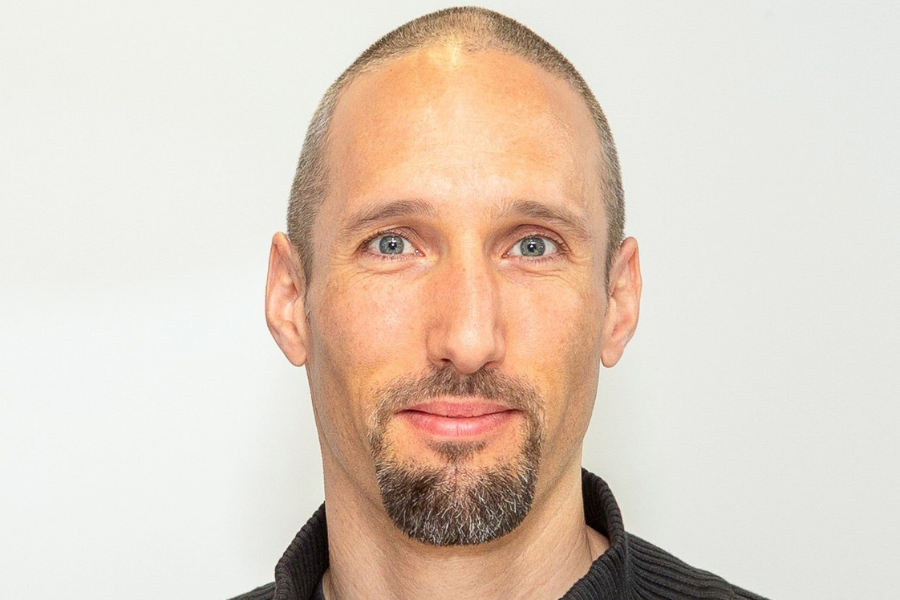
Julien Boccard is a lecturer and researcher at the School of Pharmaceutical Sciences of the University of Geneva, with a strong focus on advanced data analysis and chemometrics applied to metabolomics. With an academic background in biology complemented by expertise in bioinformatics and statistical modeling, he develops data processing workflows and multivariate strategies to extract meaningful biological insights from complex, high-dimensional datasets. Over the years, he has established himself as a specialist in advanced multivariate analysis in metabolomics and in the development of robust computational approaches for multifactorial, multiblock and multiway data structures. His research is published in leading chemometrics and metabolomics journals, and he actively contributes to the scientific community through international collaborations and invited lectures. He serves on the boards of the Swiss Metabolomics Society and the French Chemometrics Group, and previously on the board of the French-speaking Metabolomics and Fluxomics Network (RFMF). As an engaged educator, he teaches data analysis and chemometrics across multiple academic levels and contributes to international training initiatives and MOOCs, promoting best practices in multivariate data analysis. His interdisciplinary collaborations span metabolomics, toxicology, plant science, and biomedical research, contributing to the characterization of molecular signatures and to the understanding of metabolic mechanisms that support biological and clinical interpretation.
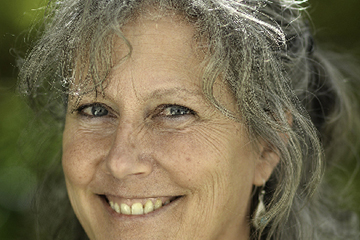
Date and place of birth: 10.08.1961 in Knoxville, Tennessee, USA (nationality German and American)
After her studies of chemistry, at the University of Frankfurt am Main in Germany, she passed her PhD in chemistry at the ‘Technische Hochschule’, Darmstadt, in 1990. At that time, she was working on small molecule crystallography and was interested in the structure-function relationship of zeolithes as catalysts.
In 1991, she joined the LCCMB at CNRS-Marseille, France, for a post-doctoral position to work on structural studies of electron-transport proteins in sulphur-reducing bacteria. She was recruited as a permanent CNRS researcher in LCCMB Marseille in 1992. In 1997 she joined the group of Bernard Henrissat at the AFMB, Marseille, to work on the structure-function relationship of cellulases, glycosidases, and on carbohydrate active enzymes and their modules in general, subject on which she specialized throughout the rest of her career.
In 2005 she moved to Roscoff to build up a protein crystallography platform accessible to marine biology, and became group leader of the ‘Marine Glycobiology’ group at the Station Biologique de Roscoff, with a focus on structure-function relationship of Carbohydrate active enzymes in marine microbial metabolisms. Today, she develops integrative strategies to understand the biochemistry of carbon recycling by marine microbial communities.

Véronique Eparvier is a research director at the CNRS and head of the “Functional Chemistry – Chemical Ecology” team at the Institute of Natural Substances Chemistry (ICSN, CNRS-University of Paris-Saclay). She is also deputy coordinator of the “Medicinal Chemistry and Natural Substances” department at the ICSN. She obtained her PhD in natural product chemistry at the National Museum of Natural History (Paris) in 2005. She began her career at the CNRS-Guyane, where she set up a pioneering programme on the chemodiversity of Guyanese flora, before joining the ICSN in 2011.
There, she developed research programmes on symbiotic microorganisms and created an original library of microbial strains. She obtained her accreditation to supervise research (HDR) in 2013 and has been a research director at the CNRS since 2020. Her research lies at the interface of chemistry, biology and ecology, and focuses on microbial chemodiversity associated with plant and animal holobionts. This work has resulted in more than 80 peer-reviewed international publications and five patents. Highly involved in the scientific community, she in a member of several national CNRS committees and scientific councils. In 2016, she was awarded the Air Liquide Trophy for scientific research in environmental sciences.
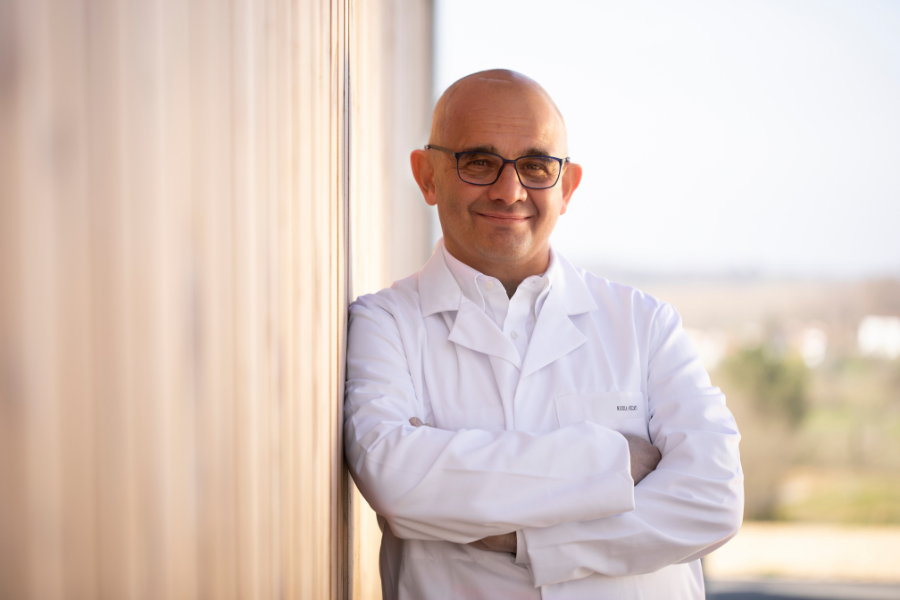
Nicola FUZZATI holds a Master’s Degree in Chemistry (University of Ferrara, Italy), and a Ph.D degree in Chemistry (Phytochemistry and Pharmacognosy Institute of the University of Lausanne, Switzerland). He has co-authored more than 30 scientific publications.
He has 30-year experience in identification, development and production of active principles derived from plants, for use in pharmaceutical and cosmetic products.
From 1996 to 2008, he was responsible of the Spectroscopy Laboratory within the R&D of Indena (Industria Derivati Naturali, Italy), working on characterization of extracts and pure products and development of analytical methods.
Member of the Italian Phytochemical Society, he contributed (2003-2008) to the European Pharmacopoeia monographs, as the Italian expert in Organic chemistry (Natural products) and Phytochemistry.
In 2008, he was appointed Purchasing Manager of Indena, to supervise all the activities connected with the purchase of raw material.
Since 2012, as Director of Ingredients Innovation and Development Department (CHANEL Research and Technology), he is in charge of the research and the production of cosmetic active ingredients, starting from plant material collected worldwide.
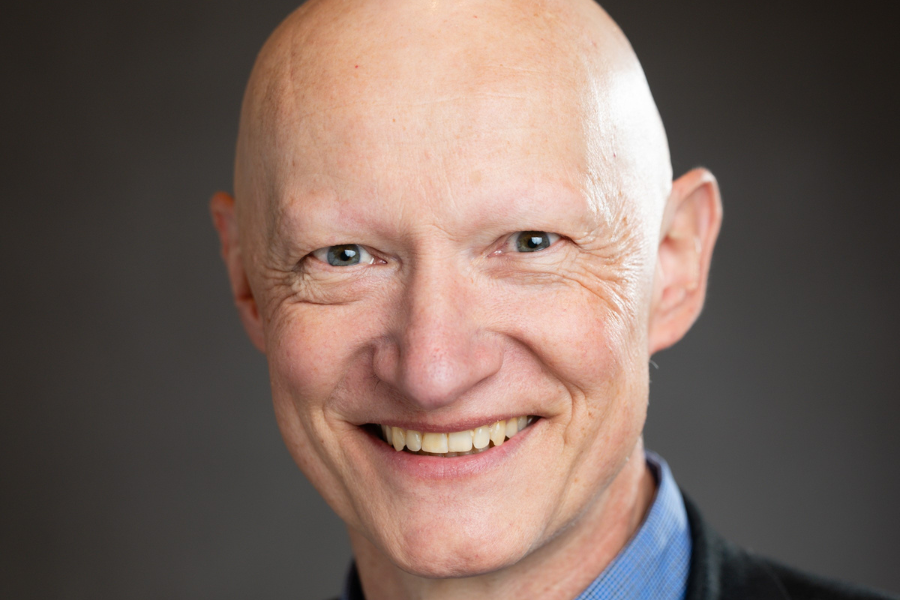
Stefan Gafner, PhD, is currently Chief Science Officer of the American Botanical Council, an independent, nonprofit research and education organization. He is also Director of the ABC-AHP-NCNPR Botanical Adulterants Program, a large-scale collaborative program initiated by the American Botanical Council (ABC), the American Herbal Pharmacopoeia (AHP), and the National Center for Natural Product Research (NCNPR) at the University of Mississippi to educate members of the herbal and dietary supplement industry about ingredient and product adulteration. Prior to working for ABC, Gafner served as a Director of Analytical Chemistry in the R&D department of natural personal care products company Tom’s of Maine.
Gafner received his degree in pharmacy at the School of Pharmacy, University of Berne, in Berne, Switzerland. He obtained a PhD in pharmaceutical sciences, with a focus on the chemistry of medicinal plants, from the University of Lausanne in Switzerland, and conducted postdoctoral research on cancer chemopreventive natural products at the University of Illinois – Chicago in the College of Pharmacy’s Department of Medicinal Chemistry and Pharmacognosy. Gafner is author or co-author of over 85 peer-reviewed scientific publications and holds 5 patents. He is a member of the advisory board of the Society for Medicinal Plant and Natural Product Research (GA) and of the editorial boards of the Journal of Ethnopharmacology and Planta Medica.
To date, Maria Halabalaki has been the author of >165 papers in peer-reviewed journals and her work has been also presented in more than 80 international conferences. Also, she belongs at the coordinating team of several EU (>20) and National (>60) research programs. In 2015, she was awarded Egon Stahl in silver, an EU medal, recognizing and promoting young scientists working in the field of Pharmacognosy (Pharmaceutical Biology) and Analytical Phytochemistry. Also, in 2023 she was awarded with the prestigious Bionorica Phytoneering award acknowledging outstanding research in the field of development and application of phytopharmaceutical products She is a member of several National and International committees and societies e.g. in the BoD of GA society (Medicinal Plant and Natural Products Research) and Group of Experts in European Pharmacopoeia (EDQM – working group 13A for Herbal Drugs and Herbal Drug Preparation) and EMA committees. Her scientific interests are based on natural products chemistry and pharmacognosy i.e. extraction, isolation and structural elucidation of bioactive natural compounds. The recent years, her scientific interests focus on the development and application of analytical methods for qualitative and quantitative characterization of medicinal plant extracts and foods by LC-HRMS and NMR; dereplication methods; quality control aspects; quantification of small molecules in biological fluids; metabolomics approaches (LC-HRMS/MS and NMR) for the discovery of biomarkers and investigation of mechanism of action of small molecules as well as metabolism studies.
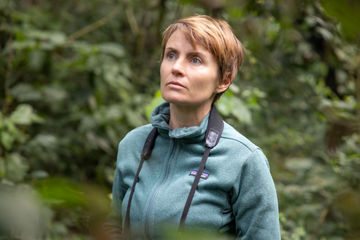
Sabrina Krief is a veterinarian, holds a PhD in ecology and the chemistry of natural substances, and is a Professor at the Muséum national d’Histoire naturelle. Since 1997, she has been studying wild chimpanzees in Africa, and in 2008, together with her husband, she founded the Sebitoli Chimpanzee Project research and conservation station in the Kibale National Park, Uganda.
Sabrina conducts research on the use of medicinal plants from tropical forests by chimpanzees and on the identification of bioactive molecules relevant to health. She also works on the effects of human-driven environmental changes—such as pollution, tropical forest fragmentation, and poaching—on the health and behaviour of chimpanzees and African elephants, including the hybridisation between forest and savanna elephants.
On behalf of the Muséum national d’Histoire naturelle, she leads the Forest, Wildlife and Populations in Uganda project, supported in particular by the French Facility for Global Environment (FFEM). This initiative aims to develop sustainable agriculture along the border of Kibale National Park in collaboration with local authorities and organisations, with the goal of reconciling improved farmers’ incomes and governance with biodiversity conservation through a “One Health” approach.
As part of the One Forest Vision initiative, she is co-lead of Pillar 1, which focuses on developing simple and free AI tools for monitoring wildlife in tropical forests.
Judith Maria Rollinger is Professor of Pharmacognosy/Pharmaceutical Biology and Head of “Phytochemistry & Biodiscovery” at the University of Vienna, Austria, where she pioneers data-driven strategies for nature-based drug discovery. Trained as a pharmaceutical scientist, her societal and scientific vision bridges natural product research with computational science to unlock the therapeutic potential of nature for pressing global health challenges.
Beyond her scientific achievements, Judith M Rollinger plays an active role in academic governance and strategic development. She has served as Senator of the University of Vienna since 2019, contributing to institutional decision-making at one of Europe’s leading research universities. At the international level, she has held a defining leadership role in the natural product community as President of the GA (Society for Medicinal Plant and Natural Product Research) from 2020 to 2023, with additional terms as Vice President. In these roles, she strengthened global collaboration, advanced nature-based drug discovery, and championed early career researchers.
Her research program integrates cheminformatics, biochemometry, and experimental phytochemistry as well as traditional medicine to discover novel natural lead structures targeting antimicrobial resistance, infectious diseases, metabolic syndrome, and inflammation. Beside several national and international collaborative projects, she currently coordinates the €2.5 million FWF-funded DocFunds program Anti-Infectives Drug Discovery – AIDD focusing on next-generation anti-infectives.
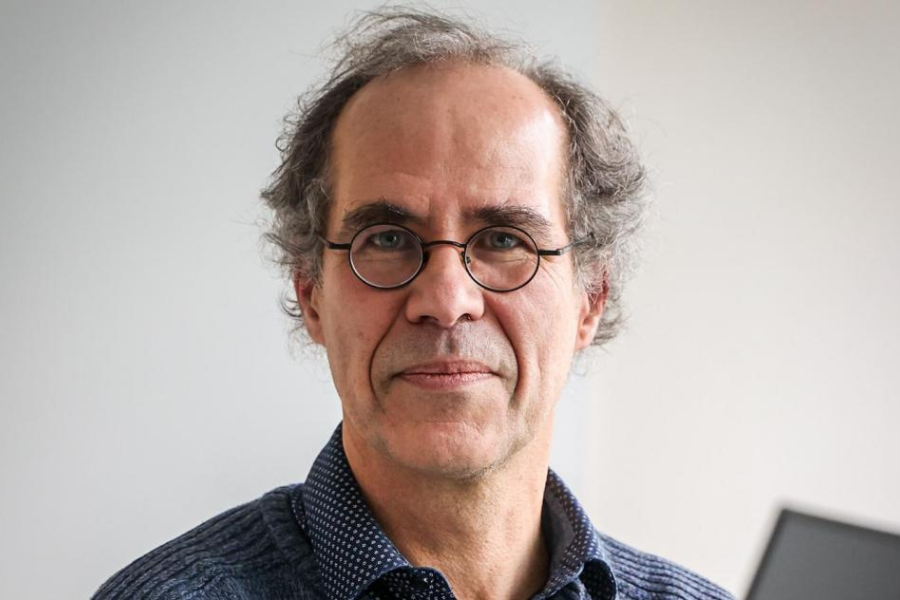
Franck-Dominique Vivien is Professor of Ecological Economics at the University of Reims Champagne-Ardenne (URCA) in France. He is the director of the Centre de Recherche Interdisciplinaire Economie Gestion (CRIEG) of this university. He is also the director of REGARDS, the main research team of CRIEG. He is a member of the Research Commission of the International Institute of Bioeconomy and Environment EXEBIO. He is the URCA’s representative within the Chaire Comptabilité écologique. He is one of the editors-in-chief of the academic interdisciplinary journal Natures Sciences Sociétés.
From the beginning, his academic research, conducted from an interdisciplinary perspective encompassing both the humanities and social sciences as well as the natural sciences, has focused on the economics of sustainable development and the ecological transition. In the 1990s, he worked on the strategies of gouvernments and firms addressing the issue of ozone layer depletion. He then turned his attention to the economic instruments adopted within the framework of the Convention on Biological Diversity and its COPs. For the past fifteen years, he has been working in the fields of green chemistry and bioeconomy, and more recently, on circular economy, by studying their promises for ecological transition.
Since 2004, he has been the instigator and is at the head of postgraduate degrees in environmental and sustainable development economics at the University of Reims Champagne-Ardenne. He is currently in charge of its Master’s degree in Sustainability Sciences.